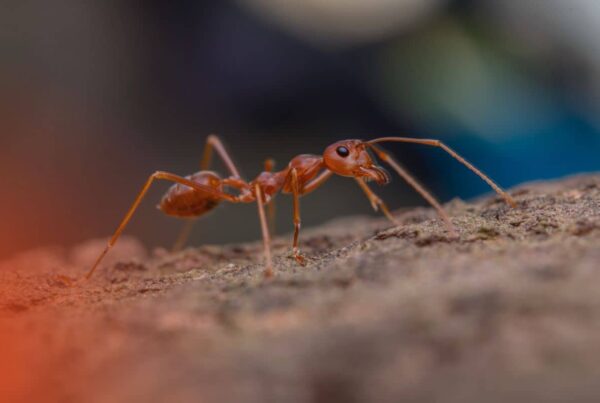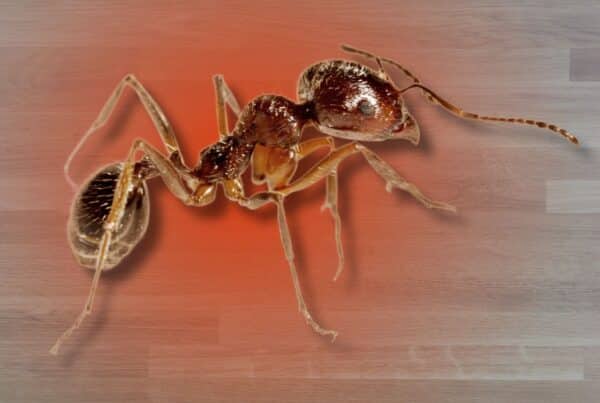
Fire ants are one of the most aggressive and persistent pests Texas homeowners have to get rid of. In areas like The Woodlands and surrounding communities, fire ant mounds can appear suddenly, spread quickly, and return even after multiple attempts to remove them.
What makes fire ants so frustrating is that visible ants are only a small part of the problem. Most of the colony lives underground, protected from surface treatments, heat, and flooding. Killing the ants you see does not stop the queens from reproducing or the colony from rebuilding.
To get rid of fire ants for good, you need to understand why they thrive in Texas yards, why many common treatments fail, and what actually disrupts colonies long enough to prevent reinfestation.
Why Fire Ants Thrive in Texas Yards
Texas offers near-perfect conditions for fire ants. Warm temperatures allow colonies to stay active for most of the year, while seasonal rain and irrigation keep soil moist enough for tunneling.
In the Woodlands and surrounding areas, several local factors make infestations more likely:
- Regular lawn watering and irrigation systems
- Sandy or loose soil that is easy to excavate
- New construction and landscaping that disturb the soil
- Dense neighborhoods where colonies move between yards
Research from Texas A&M AgriLife Extension shows that fire ant populations often surge after heavy rain or soil disruption, which explains why homeowners frequently notice new mounds after storms or yard work. Fire ants are highly adaptable and will quickly take advantage of favorable conditions.
Fire ants also do not stay confined to one property. Without consistent control, colonies expand outward, creating ongoing pressure across entire neighborhoods.
How Fire Ant Colonies Are Built to Survive
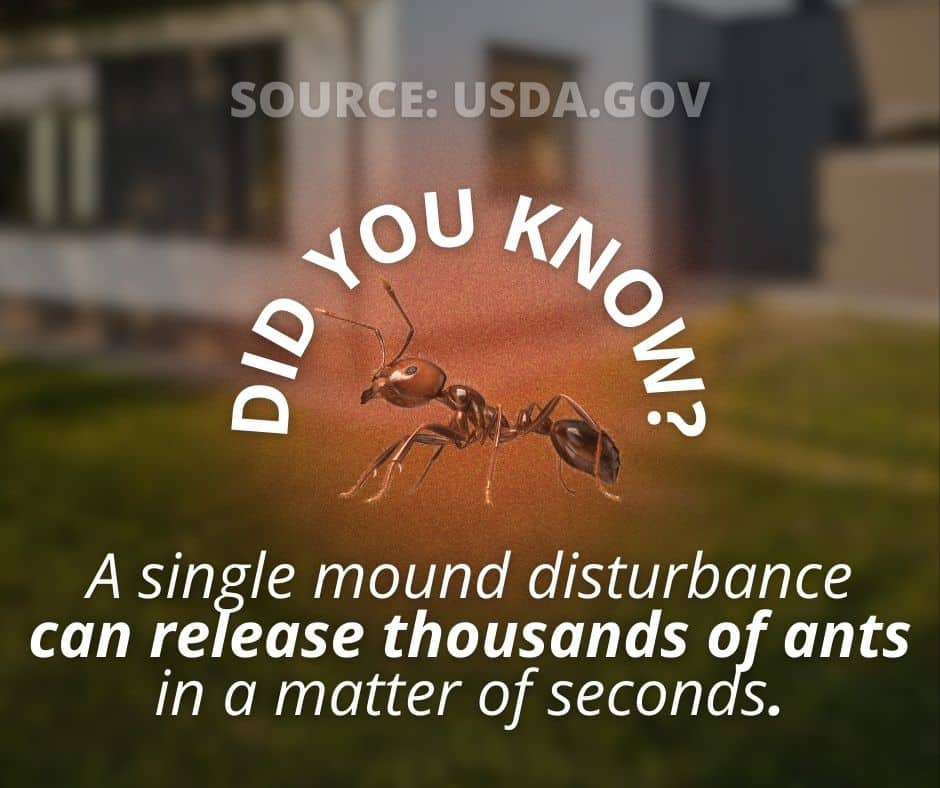
A fire ant mound is only the visible entrance to a much larger underground system. Beneath the surface, colonies contain complex tunnel networks that can extend several feet deep and wide.
A mature colony typically includes:
- One or more queens capable of laying hundreds of eggs each day
- Thousands of worker ants that forage, defend the nest, and expand territory
- Underground chambers that protect queens and larvae from surface threats
When a mound is disturbed, workers immediately move queens and larvae deeper underground or into nearby satellite nests. This survival response is why fire ants often seem to spread after DIY treatments instead of disappearing.
Why Surface Treatments Rarely Eliminate Fire Ants
Most homeowner treatments focus on how to get rid of fire ants at the surface. While this may reduce activity temporarily, it does not affect the core of the colony.
When only surface ants are killed:
- Queens continue reproducing underground
- Workers rebuild tunnels within days
- Colonies may split and form multiple mounds
- Ant activity spreads to new areas of the yard
Fire ants are designed to recover quickly from surface attacks. Without reaching the queens and larvae, treatments delay the problem rather than solve it.
Common DIY Fire Ant Methods and Why They Fail
Homeowners often try several methods before calling a professional. While some provide short-term relief, most fail to eliminate colonies.
| DIY Method | What It Targets | Why It Fails Long Term |
| Boiling water | Surface ants | Rarely reaches queens |
| Contact sprays | Visible workers | No effect on colony |
| Digging mounds | Nest entrance | Causes colony relocation |
| One-time bait use | Limited workers | Often applied incorrectly |
The EPA notes that improper ant control can scatter colonies rather than eliminate them, which increases reinfestation pressure across the property.
Short-Term Relief vs Long-Term Fire Ant Control
Not all fire ant treatments serve the same purpose. Some focus on immediate knockdown, while others target colony collapse over time.
| Treatment Type | Primary Purpose | Expected Outcome |
| Contact sprays | Fast visible kill | Very temporary |
| Spot mound treatments | Local reduction | Short-term |
| Broadcast baiting | Colony elimination | High effectiveness |
| Professional programs | Elimination plus prevention | Most reliable |
Long-term control focuses on interrupting the colony’s life cycle instead of reacting to individual mounds.
How Professional Fire Ant Control Works
Professional fire ant control is based on ant behavior. Worker ants forage for food and carry it back to the colony, feeding queens and larvae along the way.
Professionals apply treatments across the yard so that foraging ants spread the product throughout the colony. This allows treatment to reach the areas homeowners cannot access.
Professional programs typically include:
- Yard-wide bait applications
- Targeted mound treatments when needed
- Products formulated for the Texas fire ant species
- Follow-up visits to monitor activity
This approach applies steady pressure until colonies collapse instead of relocating.
Why Fire Ants Often Return After Partial Treatment
Even after treatment, fire ants can return if conditions remain favorable or surrounding colonies migrate.
Common reinfestation causes include:
- Neighboring untreated properties
- Heavy rainfall that displaces underground nests
- New queens establish after mating flights
- Inconsistent or incomplete treatment schedules
Fire ant control in Texas is rarely a one-time event. Ongoing management is often needed to keep populations under control in high-pressure areas like The Woodlands.
Fire Ant Risks Go Beyond Lawn Damage
Fire ants are not just a nuisance. Their stings pose real safety risks.
According to the CDC, fire ant stings result in thousands of medical visits each year in the southern United States. Children, pets, and individuals with allergies face a higher risk.
Fire ants can:
- Sting repeatedly when disturbed
- Cause painful welts and pustules
- Trigger allergic reactions in some individuals
- Make yards unsafe for outdoor activity
Mounds near sidewalks, patios, driveways, and play areas increase the risk of accidental contact.
How Fire Ants Can Affect Property Use and Value
Fire ant infestations can impact how homeowners use their outdoor spaces. Yards with active mounds often go unused, especially when stings become a concern.
In some cases, visible fire ant activity can also affect property perception during real estate showings or inspections. Ongoing pest issues may raise questions about lawn maintenance and overall property care.
Long-term fire ant control helps restore safe, usable outdoor areas and reduces recurring disruption.
What Fire Ant Activity Says About Yard Conditions
Fire ants thrive where conditions support other pests as well. Their presence often points to environmental factors that need attention.
These may include:
- Excess soil moisture
- Poor drainage
- Overgrown landscaping
- Irrigation problems
Professional pest control evaluates these conditions as part of a broader treatment strategy instead of treating ants in isolation.
How Grand Slam Approaches Fire Ant Control
Grand Slam Pest focuses on long-term fire ant control designed for Texas conditions and residential properties.
Their approach emphasizes:
- Treating the entire property, not just visible mounds
- Using products designed for fire ant behavior
- Reducing reinfestation pressure
- Integrating fire ant control with ongoing pest management
This strategy helps homeowners avoid repeated DIY cycles that never fully resolve the problem.
How Long Does Fire Ant Control Take?
It takes a process to get rid of fire ants, not an overnight fix. Some reduction in activity is often seen within days, but full colony collapse takes longer.
Factors that influence results include:
- Colony size and number
- Weather conditions
- Soil type
- Nearby untreated areas
Professional programs are designed for steady improvement rather than quick but temporary results.
Related Questions to Explore Next
Why Do Some Yards Have Ongoing Pest Problems?
Recurring yard pests are often tied to conditions like moisture, soil disturbance, and landscaping choices. When those factors stay the same, new pests can move in even after one issue is resolved.
Can Yard Conditions Attract More Than One Type of Ant?
Different ant species prefer different environments, but loose soil, warmth, and easy access to food sources can support multiple ant problems over time.
Can Outdoor Pest Issues Turn Into Indoor Problems?
Some pests start outdoors and move closer to the structure when conditions shift. Changes in weather, food availability, or soil moisture can all influence that movement.
When to Call a Professional Pest Control Company
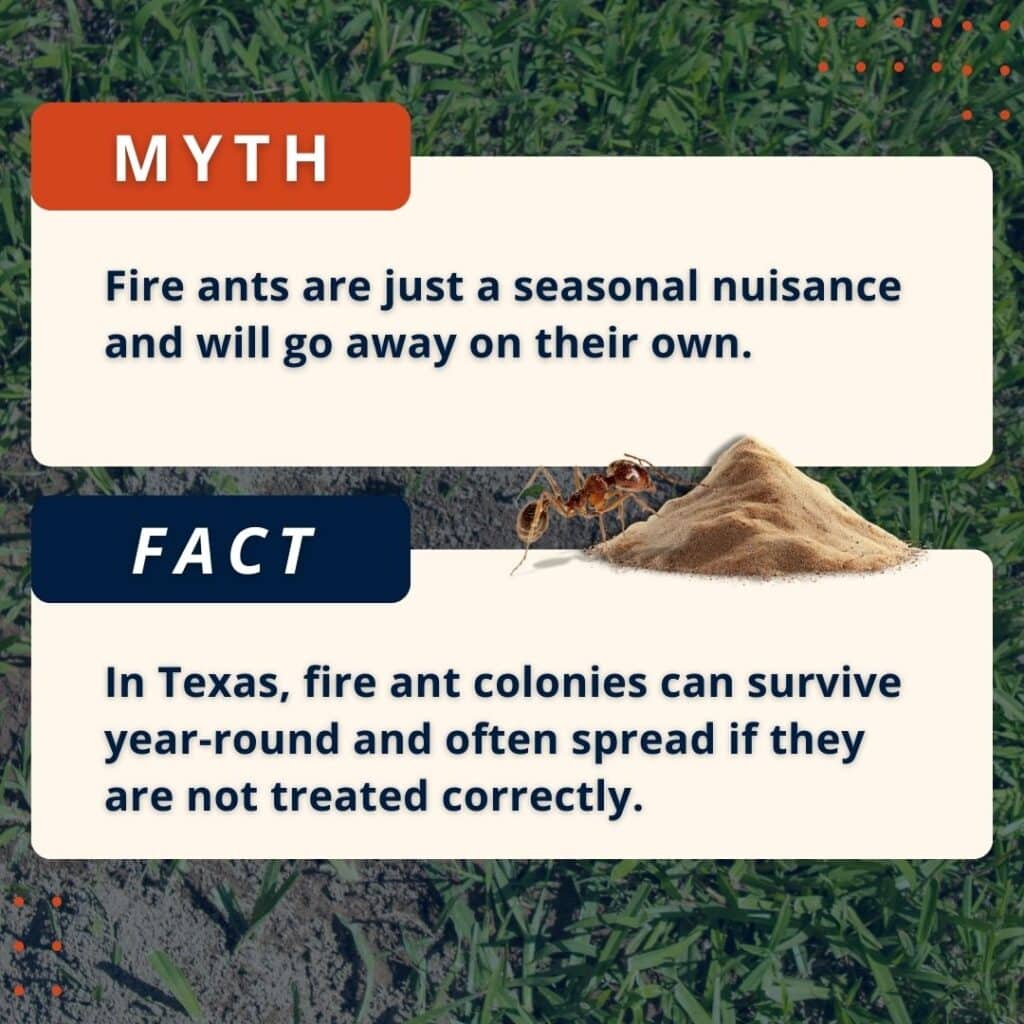
Fire ants rarely resolve on their own. The longer colonies remain established, the harder they are to control.
You should contact a professional if:
- Mounds keep reappearing after treatment
- DIY methods have failed repeatedly
- Ants are near high-traffic areas
- Children or pets are being stung
- You want consistent, long-term control
Professional fire ant control saves time, reduces risk, and prevents infestations from spreading across your property.
Conclusion
Getting rid of fire ants in a Texas yard takes more than surface treatments or quick fixes. Fire ant colonies are built to survive disruption, which is why DIY methods rarely last.
In The Woodlands and surrounding areas, professional fire ant control offers the most reliable path to long-term relief. By targeting colonies underground and addressing the conditions that allow them to thrive, homeowners can reclaim their yards safely and confidently.
Grand Slam Pest Control provides fire ant control designed for Texas conditions, helping homeowners stop reinfestation and enjoy safer outdoor spaces. Get a quote for your service visit today.