Texas summers are tough on homeowners. Once temperatures climb into the 90s, mosquitoes, fire ants, termites, and stinging insects go into overdrive. At Grand Slam Pest Control, we treat these pests every day across The Woodlands, Spring, and Conroe, and summer is by far the busiest time of year.
This guide covers the most common summer pests in our area, why they spike in the heat, and what you can do to stay ahead of them.
Summer Is Peak Pest Season in Texas
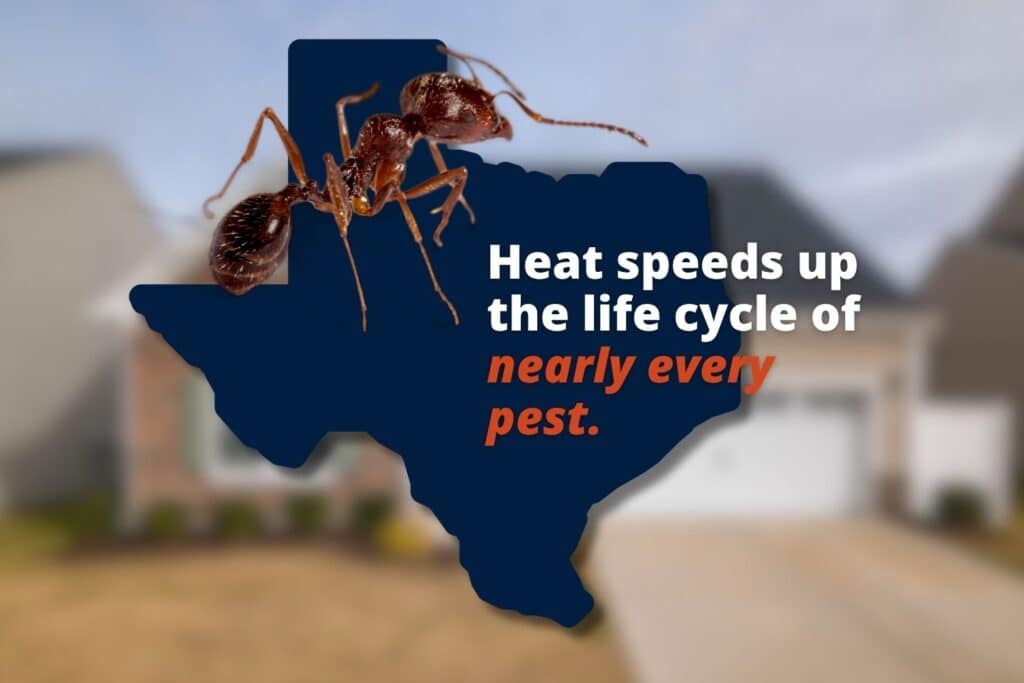
Heat speeds up the life cycle of nearly every pest. Mosquito eggs can hatch in a matter of days during a Texas summer. Fire ant colonies expand aggressively after spring rains. Termite swarms peak between May and July. Cockroaches reproduce faster when temperatures stay consistently above 70°F.
Texas also has the added factor of humidity. The Gulf moisture that rolls through Montgomery County and Harris County creates ideal breeding conditions for insects that need water to lay eggs or stay hydrated.
If your yard holds water after rain, has dense vegetation, or sits near a drainage area, you already have the two ingredients most summer pests need: heat and moisture.
The good news: most summer pest problems are preventable with the right preparation.
The sections below break down what you’re up against and how to handle it.
The Most Common Summer Pests in The Woodlands Area
While the humid Texas heat is an invitation for pool parties and BBQs, it’s also the peak season for some of our most persistent local invaders.
Here are the common summer pests currently making themselves at home in The Woodlands and Spring.
Mosquitoes
Mosquitoes are the most consistent summer pest complaint we get in The Woodlands and Spring. There are more than 80 species found in Texas, and female mosquitoes need standing water to lay eggs. A clogged gutter, a birdbath, or a low spot in your yard that collects rainwater can generate hundreds of mosquitoes in less than a week.
Mosquitoes are more than an annoyance. They can carry West Nile virus, Zika virus, and other diseases. The CDC’s mosquito prevention guidelines recommend eliminating standing water as the single most effective step homeowners can take. Beyond that, professional fogging treatments and mosquito misting systems provide consistent protection during peak season.
If your outdoor space feels unusable from May through September, our mosquito control services in The Woodlands can give you back your yard.
Fire Ants
Fire ants are a Texas reality, but summer makes them worse. After spring rains saturate the soil, colonies move upward and spread. Fire ant mounds can appear in lawns, gardens, and near sidewalks almost overnight. Their stings are painful and can cause serious allergic reactions in children and pets.
The challenge with fire ant control is that surface treatments only kill the ants you see. The queen keeps the colony going underground, so DIY granules often provide only temporary relief.
Our post on how to get rid of fire ants for good in Texas covers why whole-yard treatments are more effective than spot applications.
Termites
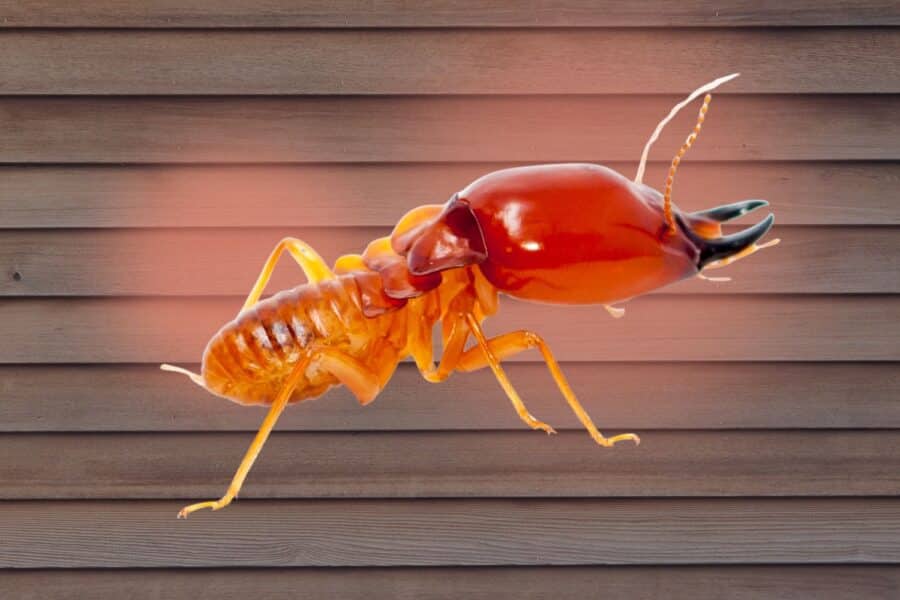
Summer is the termite swarming season. Subterranean termites, which are the most destructive species in Texas, swarm in warm, humid weather to establish new colonies. If you see winged insects emerging from your walls, soil, or wood trim between May and July, there is a strong chance you are seeing termite swarmers rather than flying ants.
Termites cause more structural damage to homes in Texas than almost any other pest. The damage is usually hidden inside walls and floor joists until it becomes expensive to fix.
A summer inspection is one of the best investments a homeowner can make. Learn more about what kind of termites are most common in Texas and how to tell the early warning signs apart.
Wasps and Stinging Insects
Wasp and yellow jacket populations peak in late summer. A nest that started small in April can house hundreds of insects by August. Nests commonly form under roof eaves, in attic vents, along fence lines, and inside hollow trees.
Wasps are more aggressive than bees and can sting multiple times. If you find a nest near a door, deck, or play area, removing it without professional help is a significant risk. Grand Slam covers wasps, hornets, and yellow jackets within 20 feet of the home as part of our residential pest control plans.
Cockroaches and Spiders
As outdoor temperatures rise, cockroaches seek cooler, damper spaces inside homes: under sinks, near water heaters, and in garage walls. American cockroaches in particular become more active after summer rains and are drawn indoors through gaps around pipes and utility lines.
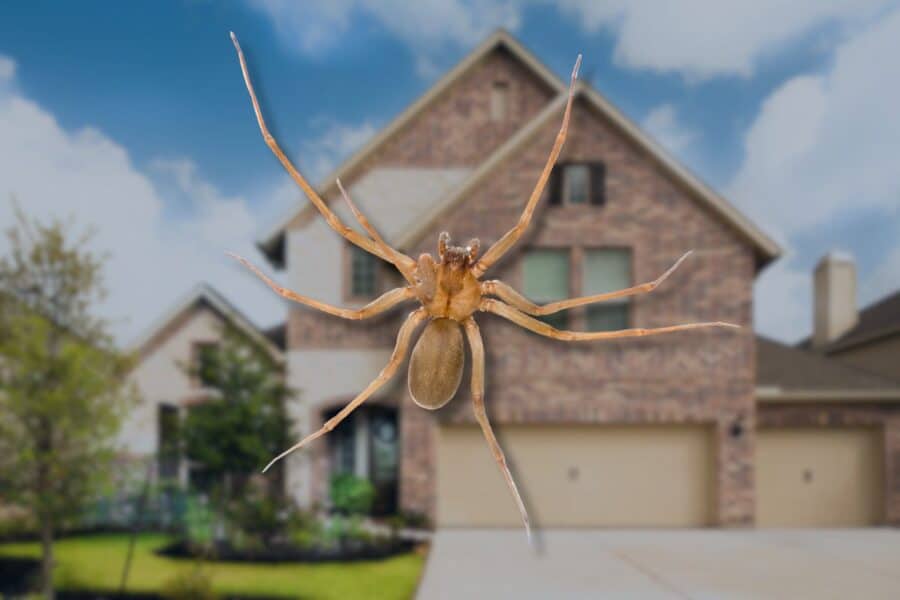
Spiders follow a simple food chain: more insects in summer means more spiders. Most species in our area are harmless, but brown recluses and black widows are both found in Southeast Texas. Keeping your garage, attic, and storage areas clutter-free reduces the dark, undisturbed spaces where dangerous spiders prefer to hide.
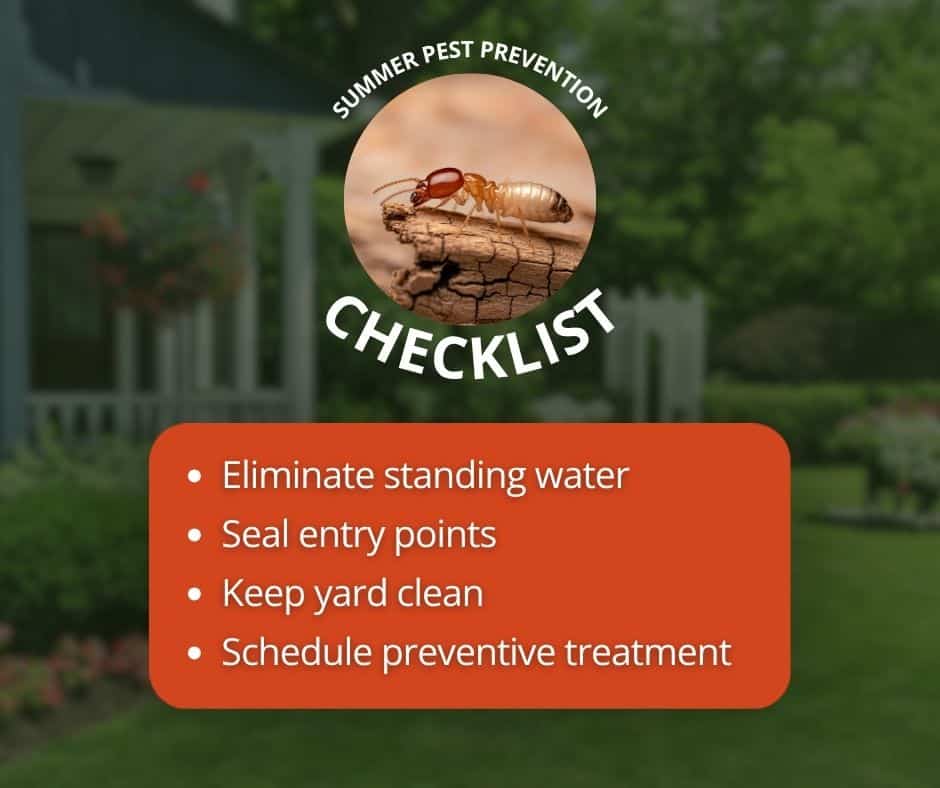
Summer Pest Prevention Tips for Texas Homeowners
You don’t need to wait for an infestation to take action. These four steps can significantly reduce pest pressure on your property during the hottest months.
1. Eliminate Standing Water
This single step does more to reduce summer pest pressure than almost anything else. Walk your property after a rain and look for any areas where water pools: gutters, downspout runoffs, buckets, plant saucers, and low spots in your lawn. Mosquitoes can breed in a bottle cap’s worth of water, so anything that holds moisture longer than a few days is a potential breeding ground.
2. Seal Entry Points
Cockroaches, spiders, and ants enter through gaps that are easy to miss: cracks around window frames, gaps under exterior doors, spaces around pipes coming through walls, and torn screen mesh.
Before summer hits peak activity, walk the perimeter of your home and use weatherstripping or caulk to close obvious entry points. Door sweeps on exterior doors are a simple, inexpensive barrier that stops a surprising number of insects.
3. Keep Your Yard Clean and Trimmed
Overgrown shrubs touching your home’s exterior give ants and rodents a bridge inside. Leaf piles, wood stacks near the foundation, and dense ground cover all provide habitat for spiders, cockroaches, and fire ants. Keep vegetation trimmed away from the structure, move firewood storage at least 20 feet from the house, and remove debris piles before summer sets in.
4. Schedule a Preventive Treatment Before Peak Season
Reactive pest control costs more and takes longer than preventive treatment. A perimeter spray applied before mosquito season begins, combined with a fire ant treatment and a termite inspection, addresses the three most costly summer pest categories before they become active infestations.
Our quarterly maintenance plans include perimeter treatments, spider de-webbing, and stinging insect coverage so your home is protected when summer pest pressure peaks.
Related Questions to Explore
- What pests are most active in summer in Texas? The most active summer pests in Texas are mosquitoes, fire ants, subterranean termites, wasps, and cockroaches. Heat and Gulf humidity accelerate their breeding cycles and keep them close to the surface all season long.
- How do I keep mosquitoes away from my yard? Start by removing every source of standing water on your property: gutters, birdbaths, plant saucers, and low spots in the lawn. For ongoing protection during peak season, our mosquito misting systems create a consistent barrier without repeated service calls.
- Are fire ants more dangerous in the summer? Yes. Summer heat keeps colonies close to the surface, so a mound that looks inactive can swarm fast when disturbed. Children and pets are at higher risk during these months because contact with mounds is harder to avoid in an active yard.
- Do termites swarm in the summer in Texas? Yes. Subterranean termites swarm from late spring through early summer, typically after a warm rain. If you find discarded wings near windows or light fixtures, schedule an inspection right away; swarmers indoors mean a colony is already established.
- When should I call a pest control company for summer pests? Call a professional when pest activity is recurring rather than isolated: multiple fire ant mounds, mosquitoes that return after you’ve removed standing water, swarmers indoors, or cockroaches appearing regularly in the kitchen. Catching it early is almost always cheaper than treating an established infestation.
- What attracts cockroaches in the summer? Cockroaches come inside looking for moisture, food, and a break from the heat. Seal gaps around pipes, fix plumbing drips, and keep trash and pet food in closed containers to cut off the main attractors.
When to Call a Professional for Summer Pest Control
DIY products can handle minor, isolated pest activity. A single ant trail near a window or one wasp starting a nest can sometimes be addressed with store-bought sprays. However, there are situations where professional treatment is the right call:
- Mosquitoes that return despite removing standing water: You may have a neighbor’s property breeding them, or a drainage area near your home that creates a constant source.
- Fire ant mounds spreading across the yard: Colony-wide treatment requires products and methods that aren’t available over the counter.
- Any sign of termite swarmers indoors: This requires a professional inspection to locate the colony and assess structural exposure.
- Wasp nests near doors, HVAC units, or children’s play areas: Removal without protective equipment and the right products significantly increases your chance of being stung.
- Recurring cockroach sightings inside the home: This usually indicates a harborage point inside the structure that needs to be located and treated.
Grand Slam Pest Control serves The Woodlands, Spring, and Conroe with guaranteed residential pest control. If a covered pest returns between scheduled treatments, we come back at no cost.
Conclusion
Summer pest pressure in Texas is real, but it’s manageable. The key takeaways:
- Mosquitoes, fire ants, termites, wasps, and cockroaches all peak in summer heat
- Eliminating standing water and sealing entry points are your two most effective DIY steps
- Professional preventive treatment before peak season is more cost-effective than reactive treatment after an infestation is established
If summer pests are already making themselves at home, our team at Grand Slam is ready to help. Explore our residential pest control plans or give us a call to get started before the worst of the season hits.