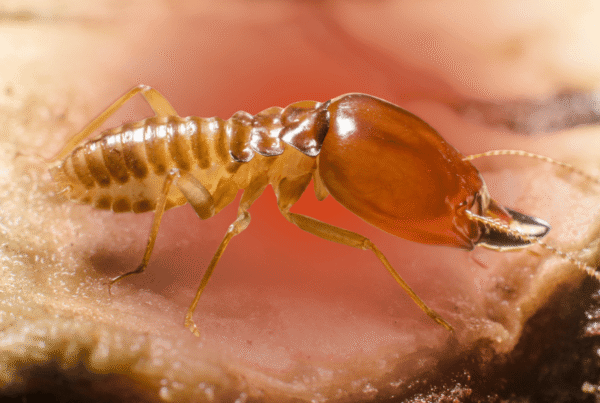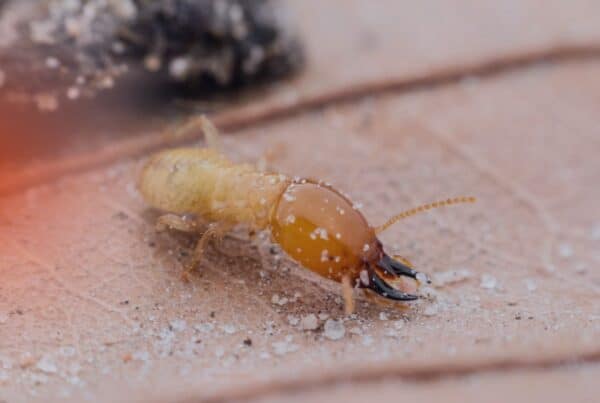
The most common signs of termite infestation are swarmers or discarded wings, mud tubes on your foundation, wood that sounds hollow, and tiny pellets that look like sawdust. Most homeowners spot one of these clues long before they ever see a live termite.
At Grand Slam Pest Control, we inspect homes in The Woodlands, Conroe, and Spring, and we see the same quiet warning signs again and again. This guide shows what each sign looks like and where to check. It also covers the clues that get mistaken for water damage or flying ants, and when it is time to call a pro.
Swarmers and Discarded Wings Are Often the First Sign
Flying termites, called swarmers, and piles of their wings near windows and doors are often the first sign of a termite problem that you can see.
Swarmers leave a mature colony to mate and start new ones. In Texas, subterranean termites usually swarm from about February through May. Drywood termites can swarm later, sometimes into the fall. After they land, swarmers twist off their wings and leave them behind. The wings look like tiny, see-through flakes.
Check these spots:
- Windowsills and door frames
- Spider webs near lights
- Garage floors and thresholds
- Bathroom and kitchen window tracks
A few wings outside do not always mean trouble. Wings inside your home, or swarmers coming out of a wall, floor, or baseboard, point to a colony feeding close by. A colony takes years to grow large enough to produce swarmers, so the problem has likely been there a while.
Killing the swarmers does not fix anything. The colony that sent them out keeps feeding until it is treated.
Termite Swarmers vs. Flying Ants
Flying ants show up around the same time of year, and people mix them up all the time. Here is how to tell them apart.
| Feature | Termite Swarmer | Flying Ant |
|---|---|---|
| Antennae | Straight, like tiny beads | Bent, like an elbow |
| Waist | Thick, no pinch | Narrow and pinched |
| Wings | Four wings, all the same length | Front wings longer than back wings |
If you catch one in a jar or on tape, you can compare it to this chart. Our guide to carpenter ants vs. termites goes deeper on the differences.
Mud Tubes on Foundation Walls, Piers, and Crawl Spaces
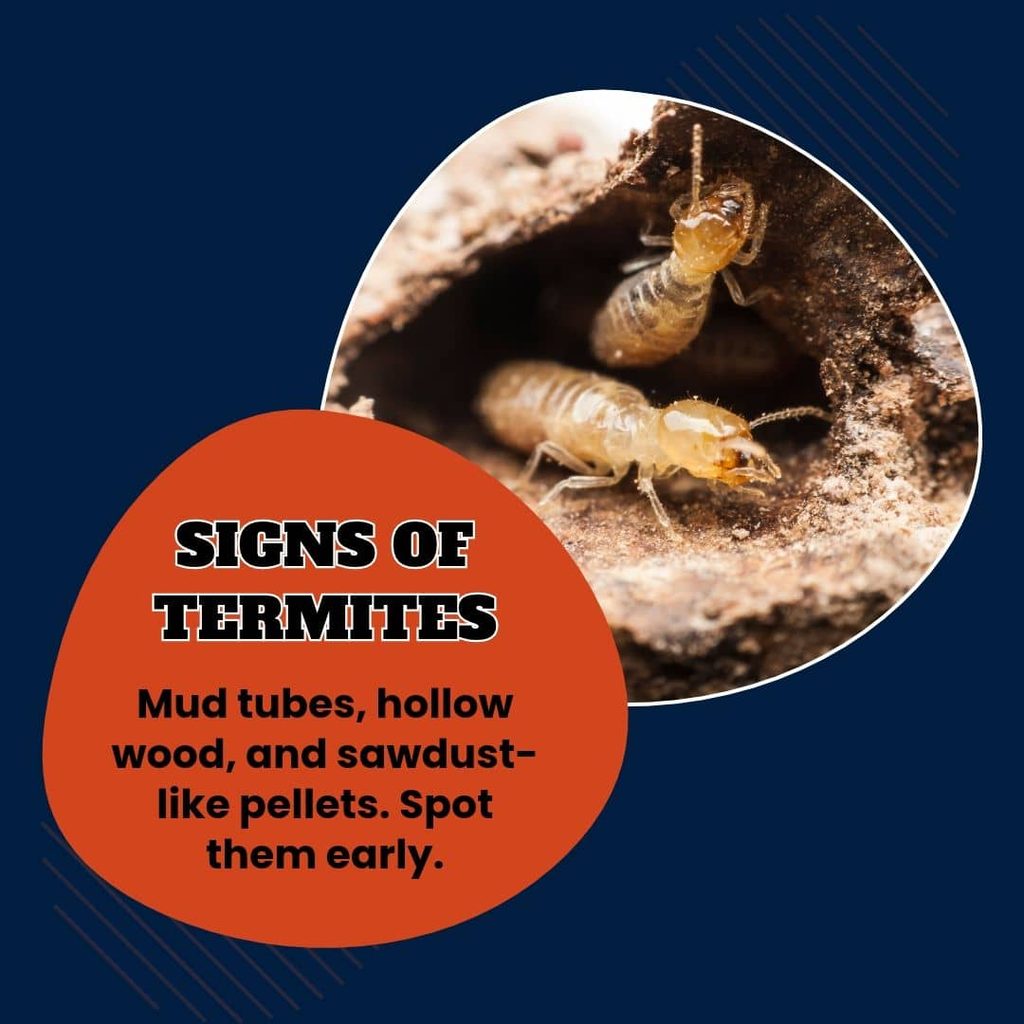
Mud tubes are thin tunnels of dirt, about as wide as a pencil, that subterranean termites build to travel between the soil and the wood in your home.
Termites need moisture and hate dry air. The tubes protect them while they travel. You will usually find them in these places:
- Up the outside of your foundation or slab edge
- On piers and support posts in a crawl space
- Along plumbing lines that enter the house
- On garage walls and behind siding
Fresh tubes are damp and dark. Old tubes are dry and crumbly. Some pros break off a small piece and check back in a few days. If the tube has been rebuilt, termites are active. Take a photo before you touch anything, and call for an inspection either way.
Scraping the tubes away does not solve the problem. The termites are still in the ground and will build new ones.
Tubes higher up on a wall, under the eaves, or inside a room can point to Formosan termites, a more aggressive type of subterranean termite. If you see tubes in those spots, call right away.
Wood That Sounds Hollow or Looks Damaged
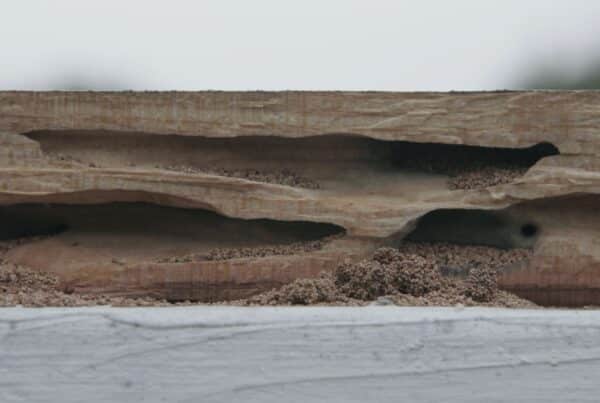
Wood that sounds hollow when you tap it is a strong sign of termites, because they eat wood from the inside out and leave a thin shell behind.
From the outside, the wood can look fine. Inside, termites carve tunnels that can look like a maze or a honeycomb. Over time, the wood weakens. Home inspectors see this kind of hidden damage during walkthroughs, and this guide to subterranean termite damage signs shows what they look for.
Try the tap test. Knock on baseboards, door frames, window sills, and exposed framing with the handle of a screwdriver. Solid wood gives a firm sound. Damaged wood sounds dull, papery, or empty. Also look for:
- Wood that crumbles or flakes when you press it
- Soft spots in a floor
- Blistered or buckled wood flooring
- Long grooves or channels in wood you can see
Crawl spaces and attics are good places to check, since termite damage is often found behind and beneath surfaces you rarely look at.
Frass: Tiny Pellets That Look Like Sawdust or Coffee Grounds
Small piles of hard, tiny pellets that look like sawdust, coffee grounds, or poppy seeds are a sign of drywood termites.
Drywood termites live inside the wood they eat. To keep their tunnels clean, they push waste out through small “kick-out holes.” The waste is called frass. It lands in neat little mounds on windowsills, floors, and shelves. Each pellet is a tiny oval with six curved sides, and the color ranges from cream to dark brown depending on the wood.
The piles often look almost too tidy. If you sweep one up and it comes back in a day or two, termites are likely active nearby.
Subterranean termites do not leave frass like this. They leave mud tubes instead. Carpenter ants also push out debris, but theirs is coarse and mixed with bits of insects. Our post on termite vs. carpenter ant droppings has a side-by-side comparison.
Bubbling Paint, Pinholes, and Sunken Spots in Drywall
Paint that bubbles, wallpaper that wrinkles, or drywall with small dirt-capped holes can mean termites are feeding just under the surface.
Drywall has a paper covering, and paper is food for termites. They can eat it without breaking the thin layer of paint on top. Here is what that looks like:
- Bubbling or peeling paint with no leak nearby
- Narrow, winding lines or sunken areas in the paint or wallpaper
- Pinholes the size of a BB, often sealed with a speck of dried mud
- Small dirt spots on an inside wall or ceiling
Termite damage often looks like water damage, and the two can show up together. Water stains are usually brown rings with a musty smell. Termite signs come with mud, hollow wood, or pellets. If you cannot tell which one you have, treat it as both and get it checked.
Sticking Doors, Squeaky Floors, and Other Quiet Clues
Doors and windows that suddenly stick, floors that squeak more than they used to, and loose tiles can all be signs of termites working under the surface.
When termites chew through framing or subflooring, wood can warp and shift. That can change how a door sits in its frame. These quieter clues include:
- Windows and doors that are hard to open or close
- Floors that feel spongy or squeak in new spots
- Tiles that loosen for no clear reason
- A musty smell you cannot trace
- Ceilings or floors that sag or dip
- Faint clicking or tapping inside a wall
Be fair to your house, though. Texas humidity makes wood swell, and sticking doors have plenty of other causes. One of these clues alone is not proof. Two or three together, or one paired with a stronger sign like mud tubes, is a good reason to call.
Why Termite Signs Are Easy to Miss in Texas Homes
Termite signs are easy to miss in Texas because the damage happens out of sight, and warm, humid weather keeps termites active most of the year.
Many homes in our area sit on slab foundations or have crawl spaces. Both can hide early activity. Termites also tunnel through soil and framing without ever showing themselves. By the time most people see a sign, the colony has often been feeding for months.
According to the Texas Department of Agriculture, subterranean termites are the most widespread type in the state. Formosan termites are spreading inland, and drywood termites show up in attics, trim, and furniture. Our guide to the most common termites in Texas explains how to tell the three apart.
Money is another reason to look early. The EPA notes that termites cause billions of dollars in damage across the country each year, and homeowners insurance often does not cover it.
A 10-Minute Termite Check You Can Do This Weekend
You can check for the main signs of termites in about ten minutes with a flashlight and a screwdriver.
- Walk the outside of your foundation. Look for mud tubes, soil piled against siding, and wood touching the ground.
- Check the garage. Look at the slab edge, door frames, and any stored wood or cardboard.
- Peek into the crawl space if you have one. Scan piers, joists, and plumbing for tubes or damaged wood.
- Scan windowsills and door frames inside. Look for wings, pellets, or small dirt-capped holes.
- Tap suspicious wood. Use the handle of a screwdriver and listen for hollow sounds.
- Look at the paint. Note any bubbling, sunken lines, or peeling with no leak behind it.
- Take photos. Snap pictures of anything odd so a technician can see exactly what you found.
Seeing nothing does not mean you are in the clear. A termite colony can stay hidden, and a clean walkaround is not a substitute for a professional inspection.
Related Questions to Explore
How do I know if I have termites in my house?
Look for swarmers or wings, mud tubes, hollow-sounding wood, tiny pellets, and bubbling paint. Any one of these is worth a closer look. If you find two or more, schedule a termite inspection so a licensed pro can confirm what is going on.
What does termite damage look like?
Termite damage looks like hollow wood with maze-like tunnels inside, blistered or buckled flooring, and paint that bubbles or sinks in winding lines. It can resemble water damage, but termite damage often comes with mud, pellets, or tubes nearby.
How can I tell if I have termites or ants?
Check the antennae, waist, and wings. Termites have straight antennae, a thick waist, and wings of equal length. Ants have bent antennae, a narrow waist, and longer front wings. Carpenter ants also leave coarse, fibrous debris, while drywood termites leave small, uniform pellets.
How long can termites live in a house before you see signs?
Often for months and sometimes for years. Termites feed inside walls, framing, and soil, so visible signs show up only after the colony has grown or caused enough damage to notice. This is why annual inspections catch more than a home check alone.
Will killing the swarmers or breaking the mud tubes get rid of termites?
No. Swarmers are only a small part of the colony, and the tubes can be rebuilt in days. The colony stays active until it is treated. A pro can find where termites are entering and choose the right treatment, whether that is a liquid barrier, bait stations, or both.
When to Call a Professional
Call a licensed pest control company as soon as you find swarmers inside, mud tubes, hollow wood with tunnels, or pellet piles. These signs mean termites are likely active, and waiting only gives the colony more time to feed.
DIY sprays and store-bought baits rarely solve the problem. They can kill the termites you see while missing the colony that keeps sending more. Our post on why DIY termite control often fails explains why.
A professional termite inspection covers the foundation, crawl space, framing, and exterior wood. The inspector looks for live activity, damage, mud tubes, frass, and swarmers, then recommends a plan that fits your home. The National Pest Management Association recommends a professional inspection every one to three years, and in Texas, where termite pressure is high, a yearly check is a smart habit, even if you see no signs at all.
Grand Slam Pest Control is certified by the Texas Department of Agriculture, and our technicians are trained Sentricon® Specialists. We offer termite control with liquid treatments and bait stations, plus termite prevention plans to keep termites out once they are gone. We serve The Woodlands, Conroe, Spring, and the surrounding areas, and our services are guaranteed. If a covered pest returns before your next scheduled visit, we come back at no cost to you.
Conclusion
Termites rarely announce themselves, but they do leave clues. Here is what to remember:
- The big signs are swarmers or wings, mud tubes, hollow wood, and sawdust-like pellets.
- Bubbling paint, sticking doors, and squeaky floors are quieter clues that can have other causes.
- Seeing nothing does not guarantee a termite-free home, so schedule an inspection every year.
Spotted something odd? Get a free quote from Grand Slam Pest Control and we will walk your property with you and tell you exactly what we find.